
Our Mangrove Pond
Mangroves are coastal trees that form dense clusters and stretch for miles and miles along coastlines, protecting shores from wind and wave action while providing endless habitat and niches for others to fill. While working as a research scientist in South Florida, I collected a few mangrove propagules, which are the seedlings that drop down from mature trees. I propagated these in water for some time while they grew out hot pink roots, and then I planted them in a small aquarium where they lived happily for almost 2 years. They moved across state lines and continued to thrive in their aquarium. Until… they eventually outgrew it.
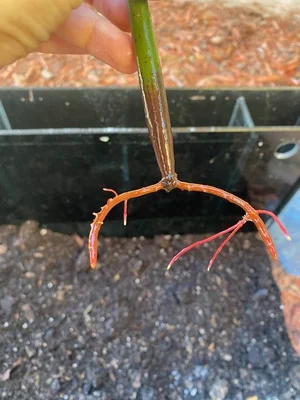
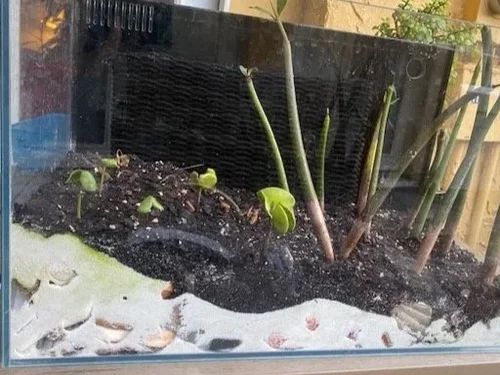
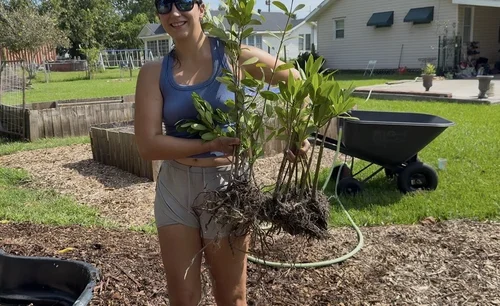
So, our solution was to acquire a small pond to transplant the mangroves into and create a habitat feature in our backyard utilizing these resilient and impressive shrubby trees. Funny enough, back in my days at LSU College of Coast & Environment, I actually wrote a final paper about how, in time, mangroves’ range could extend into coastal Louisiana and offer shore protection and reduce erosion as we continue to lose our coastal marshes and their critical services. Years later, here we are, introducing mangroves into our suburban backyard.
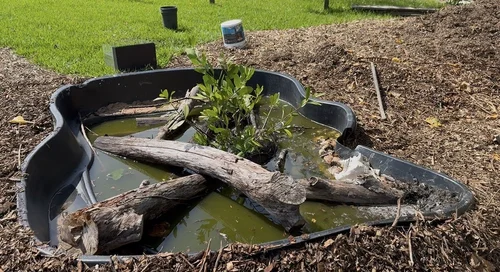
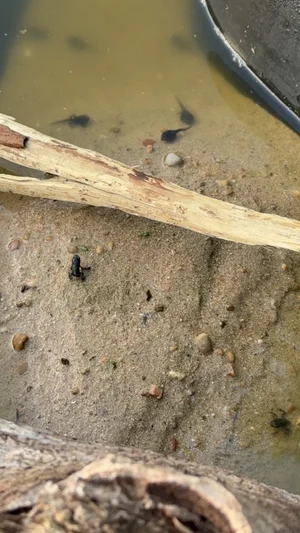
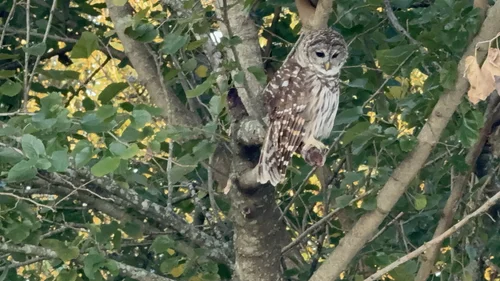
On our site, this pond feature has already become a hotspot for wildlife and provides many ecosystem services. Insects, birds, reptiles and mammals alike all find it to be a cozy spot to grab a cool sip. The mangroves will create a living filtration system through nutrient cycling. Companion plants will bring balance and diversity. We have already watched multiple rounds of Gulf Coast Toads lay their slimy, stringy eggs that developed into tadpoles and then into toadlets. We watch birds swoop down for a quick drink, even the neighborhood cats have been seen taking their turn at the bath, and a barred owl seems to have made itself at home on a limb over the pond.

At the end of the day, water is at the core of all living things. So if you are building out your backyard to be supportive of the local native critters, then incorporating even a simple water bowl that gets filled regularly can encourage visitors to stop by. Especially during the summer, when temperatures are reaching 100° on a daily basis here, having a pit stop for water could even save some little wild lives.
